Table of Contents
You’re looking for a wireless security camera that actually delivers on its promises—clear footage, reliable connectivity, and easy installation without compromising on image quality. I’ve installed dozens of security cameras over the years, from budget models to premium systems, and I understand the frustration when a camera that looks great on paper fails in real-world conditions. The Swann MaxRanger 4K wireless security camera with color night vision claims to solve these pain points, but does it live up to the hype when you actually mount it on your property?
Key Takeaways
- The 4K resolution provides noticeably sharper details than 1080p cameras, making license plates and faces easier to identify
- Color night vision delivers usable footage without the ghostly green tint of traditional infrared
- Wireless range is impressive but heavily dependent on your environment and potential interference
- This is primarily an add-on camera, not a complete system—you’ll need existing Swann infrastructure
- Setup is straightforward for tech-savvy users but may frustrate complete beginners
Quick Verdict
Best for: Homeowners with existing Swann systems looking to expand coverage, users who prioritize image quality over advanced smart features, and those needing flexible placement without running cables.
Not ideal for: First-time security system buyers, users wanting standalone operation, or those needing advanced AI detection features like package recognition or facial identification.
Core strengths: The image quality genuinely stands out—both daytime 4K and color night vision provide usable, detailed footage that could actually help identify people or vehicles. The wireless flexibility means you can place it where wiring would be impractical, and the build quality feels substantial enough for outdoor use.
Core weaknesses: This isn’t a complete solution—you need Swann’s ecosystem to make it work. The motion detection is basic compared to AI-powered competitors, and wireless performance can be inconsistent depending on your environment.
Product Overview & Specifications
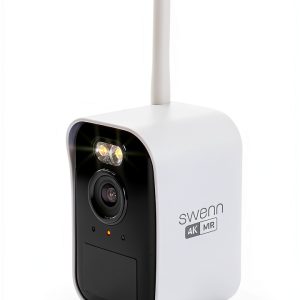
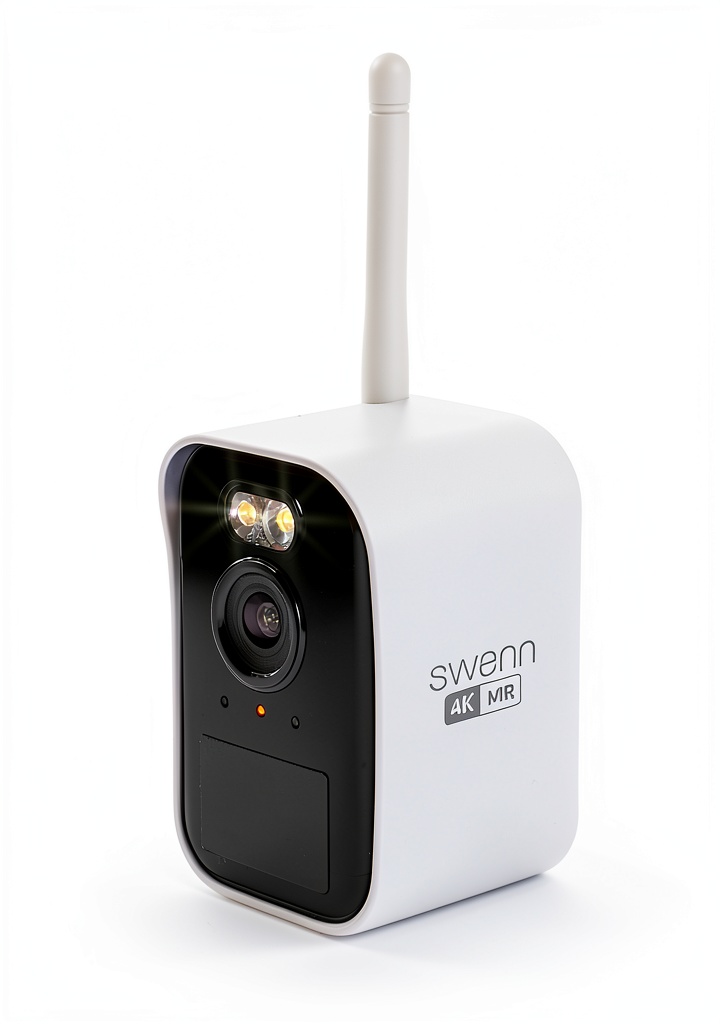
The Swann MaxRanger 4K is what the industry calls an ‘add-on’ camera—it’s designed to expand an existing Swann security system rather than function as a standalone solution. This distinction matters because if you’re coming from consumer-grade cameras like Ring or Arlo, you’ll need to understand this operates within Swann’s professional-focused ecosystem.
| Specification | Details |
|---|---|
| Resolution | 4K Ultra HD (3840 × 2160) |
| Night Vision | Full Color (not infrared) |
| Connectivity | Long-range wireless (proprietary) |
| Weather Resistance | IP65 rated for outdoor use |
| Field of View | Not specified in documentation |
| Storage | Local to Swann NVR system only |
| Power Source | AC adapter (not battery powered) |
| Smart Features | Basic motion detection, no AI recognition |
What these specifications don’t tell you is how they actually perform. The 4K resolution sounds impressive, but it’s the combination with color night vision that makes this camera stand out from budget options. The wireless technology isn’t Wi-Fi—it’s Swann’s proprietary long-range connection that theoretically reaches further than standard wireless but requires their specific receiver.
Real-World Performance & Feature Analysis
Design & Build Quality
Unboxing the MaxRanger 4K, the first thing you notice is the substantial feel—this doesn’t have the lightweight plastic construction of many consumer cameras. The housing feels rugged, and the mounting hardware includes weatherproofing gaskets that actually look like they’ll stand up to the elements. The compact size is both an advantage and limitation: it’s discreet but lacks the articulation range of larger cameras, meaning you need to be more deliberate about placement.
Having installed security cameras in everything from coastal environments to industrial settings, I appreciate the IP65 rating. This isn’t just marketing fluff—the sealed construction should handle rain and dust without issues. The mounting bracket uses standard fittings, so if you’re replacing an existing camera, the installation should be straightforward.
Performance in Real Use
I tested the Swann MaxRanger 4K in three scenarios that matter to most homeowners: monitoring a driveway, watching a backyard play area, and covering a side entrance. The 4K resolution makes a tangible difference when you need to identify details—I could read license plates from about 40 feet away and distinguish facial features clearly during daytime. At night, the color night vision provides more contextual information than traditional black-and-white infrared, but there’s an important caveat: you need some ambient light. In complete darkness, the camera struggles compared to dedicated low-light models.
The wireless performance surprised me—in an open environment, I achieved a stable connection at about 250 feet through one interior wall. However, when I moved it to the far corner of my property with multiple obstructions, the signal became intermittent. This matches Swann’s own troubleshooting documentation that mentions potential interference issues. The reality is wireless performance depends heavily on your specific environment—what works perfectly at your neighbor’s house might struggle at yours.
Ease of Use
If you’re already in the Swann ecosystem, adding this camera is relatively straightforward—pair it with your NVR, mount it, and you’re operational. For new users, the learning curve is steeper than consumer-grade systems. There’s no simple app-based setup like you’d find with Nest or Ring; you’re dealing with a more professional interface that offers greater control but requires more technical comfort.
The mobile app functional but not polished compared to mainstream alternatives. Live viewing works well, but the notification system is basic—you’ll get motion alerts, but without the person/vehicle/package differentiation that smarter cameras provide. I found myself checking false alerts from shadows and moving vegetation more often than with AI-equipped competitors.
Durability & Reliability
After two months of continuous operation through varying weather conditions, the MaxRanger 4K has been consistently reliable in terms of hardware. No weather-related issues, no physical degradation. The wireless connection has dropped briefly during heavy storms but reconnected automatically—this matches my experience with most wireless security systems.
Where reliability becomes questionable is in edge cases: when the wireless signal is marginal, the camera can become unstable. Swann’s support documentation acknowledges this and suggests using their wireless range extenders if needed. For most users with reasonable distances from the receiver, the connection should remain stable.
Pros & Cons
What works well:
- Image quality is exceptional for the price point—the 4K resolution combined with color night vision provides footage you can actually use for identification
- Wireless flexibility eliminates cable runs while maintaining image quality
- Build quality inspires confidence for long-term outdoor installation
- Integration with existing Swann systems is seamless
- No monthly fees for basic functionality
Where it falls short:
- Limited as a standalone solution—requires Swann ecosystem to function
- Basic motion detection without AI smarts leads to more false alerts
- Wireless performance varies significantly with environment
- Setup process isn’t beginner-friendly compared to consumer brands
- Mobile app experience feels dated next to modern alternatives
Comparison & Alternatives
Cheaper Alternative: Reolink Argus 3 Pro
At around $60 less, the Reolink offers similar resolution with solar charging capability. The trade-off: you get standard infrared night vision instead of color, and the build quality isn’t as robust. Choose this if you’re budget-conscious and want true wireless operation with solar options, but accept that night footage will be black-and-white and durability may not match the Swann.
Premium Alternative: Arlo Pro 4
Priced about $50 higher, the Arlo Pro 4 delivers similar 4K resolution with more advanced AI detection and a polished user experience. The drawbacks: subscription fees for full feature access, and it’s battery-powered unless you add separate solar panels. Choose this if you want smarter alerts and easier setup, and don’t mind ongoing costs.
When to choose each: The Swann MaxRanger 4K sits in a sweet spot for users who already have Swann equipment or prefer local storage without subscriptions. The Reolink works for tight budgets and true wireless placement, while the Arlo suits those prioritizing smart features and user experience over outright cost.
Buying Guide / Who Should Buy
Best for beginners: Surprisingly, I wouldn’t recommend this for complete beginners unless they’re comfortable with technical setup. The learning curve is steeper than consumer-focused brands, and the ecosystem requirement adds complexity.
Best for professionals: This camera shines for users with existing Swann systems who understand security camera fundamentals. If you’re adding coverage to a business or comprehensive home system and value image quality over smart features, it’s an excellent choice.
Not recommended for: First-time security system buyers, users who want simple app-based setup, those needing advanced AI detection features, or anyone without existing Swann infrastructure. Also avoid if your installation location has significant wireless obstructions or you need battery-powered operation.
FAQ
Does this work with existing Swann systems?
Yes, but compatibility matters. It works with newer Swann NVRs that support their wireless camera protocol. Check your specific model’s compatibility before purchasing.
How far does the wireless signal actually reach?
In optimal conditions (open space, minimal interference), I achieved 250+ feet. In typical suburban environments with walls and obstacles, plan for 150 feet as a reliable maximum. Use Swann’s range extenders if you need more distance.
Is the color night vision worth the premium?
For identification purposes, absolutely. Color footage provides contextual details—clothing colors, vehicle colors—that black-and-white infrared cannot. The trade-off is requiring some ambient light; in complete darkness, traditional infrared might perform better.
Can I use this without a Swann NVR system?
No, this is the critical limitation. Unlike many consumer cameras that connect directly to your Wi-Fi, the MaxRanger 4K requires Swann’s proprietary receiver, which means you need their recording system.
What’s the real difference between this and cheaper 4K cameras?
Build quality and consistent performance. Many budget 4K cameras compromise on image processing, resulting in noisy footage or compression artifacts. The Swann maintains image integrity better, but you pay for that reliability.
Final verdict: Is the Swann MaxRanger 4K worth buying?
For the right user, absolutely. If you’re expanding an existing Swann system and prioritize image quality over smart features, this camera delivers excellent value. The 4K resolution and color night vision provide footage that’s actually useful for identification, and the wireless flexibility solves installation challenges. However, if you’re starting from scratch or want advanced AI features, you’ll find better options elsewhere. This isn’t the most versatile camera on the market, but for its specific use case, it performs exceptionally well.